


Overview of Self-esteem Module
Self-esteem is a fundamental component of healthy development and can be generally defined as one’s overall sense of self-worth or how good one feels about oneself (Rosenberg, 1965). When children participate in activities that build on their strengths, it helps them develop a sense of confidence and appreciation for their abilities. When children overcome challenges by believing in themselves and when they feel they have the support of others, this can increase their positive sense of self and promote resilience in the face of adversities.
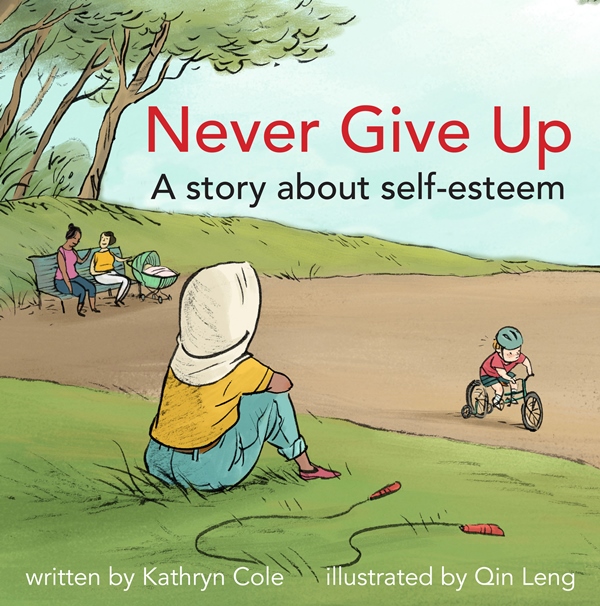
Big Messages:
- Positive self-esteem is a fundamental component of a healthy self-concept
- It refers to how good one feels about themselves and is an indicator of overall self-worth
- Self-esteem is malleable and can be boosted when children are validated for their strengths and supported through their efforts to overcome challenges (What to say to kids: “Never give up!”)
Learning Goals:
Increase knowledge about what self-esteem is and why it is important
Identify strategies for boosting self-esteem:
- Discuss what self-esteem is and why it is important for a healthy sense of self
- Explore the role of positive self-esteem in overcoming challenges
- Explore how self-esteem can be boosted in yourself and others and strategies for doing so
Activities
Self-esteem Booster Poster
My Name is for Me
Messages About Who I Can Be
Overcoming Challenges Role Play
Overcoming Challenges Role Play (for Grades 1 and 2)
What the Evidence Says:
(click here for full version of literature review)
High self-esteem along with self-compassion, self-efficacy and perceived internal locus of control have been demonstrated to promote resilience and be protective against the negative consequences of child maltreatment and other life stressors (Lamoureux, et al., 2012; Afifi & MacMillan, 2011; Vettese, et al., 2011; Kort-Butler, 2010; Leary, 2007; Bolger, 2001; Cicchetti & Rogosch, 1997). These self-concepts all contribute to a healthy sense of self, which may be protective against abuse. When children feel good about themselves and have a healthy sense of self-worth, they may be more likely to seek help in unsafe situations. They may also have more positive friendships, which may decrease the likelihood of being targeted for abuse.
| Note to Facilitator: The facilitator has a legal obligation to report suspicions of child abuse to a child protection agency (in the case of Ontario, the Children’s Aid Society (CAS)). Please review over the information provided around disclosure and the reporting process. |