

Getting Help: Overview
Knowing how and where to get help involves recognizing and reaching out to people who can provide support and encouragement. A support system may include many different individuals in the community such as teachers, doctors, nurses, counsellors, and police. It could also include family, friends, relatives and neighbours. Knowing when and where to go for help are important skills for all children to have. In the event of maltreatment, it is the most essential thing for children to do. It is important for adults who are on the receiving end of children’s disclosures to recognize the barriers that prevent them from getting help. Children’s disclosures need to be received with openness and support.
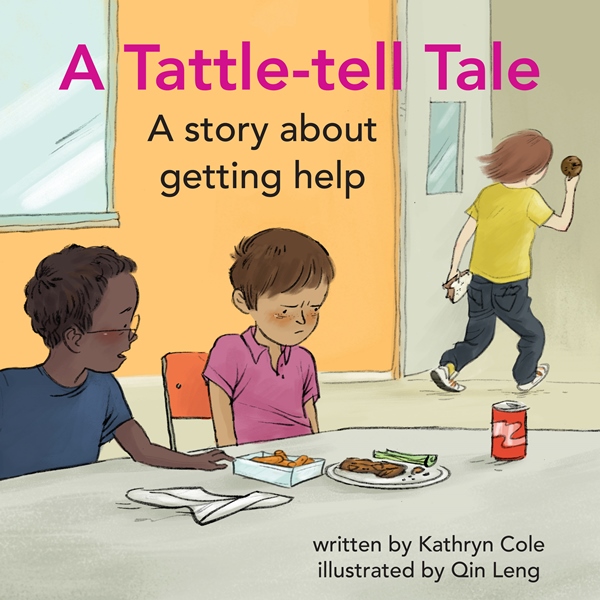
Big Messages:
- When a child has a problem or worry, it is important to get help from a trusted adult
- A child should be encouraged to keep telling until they get the help needed (What to say to kids: “keep telling until you get the help you need!”)
- If a friend needs help, a child should be encouraged to get help from an adult (What to say to kids: “If a friend needs help, tell an adult.”)
Learning Goals:
Increase awareness of how, when, and where to get help when needed
- Identify and discuss situations whereby one would need to get help from an adult
- Explore the barriers that might impede getting help and strategies to overcome them
- Identify adults who one can go to for help (at least two)
- Discuss getting help for friends when we notice a friend is in need of help
Activities
Tattling vs. Telling
Keep Telling
Who Can Help?
Getting Help for a Friend VIEW CURRICULUM CHART
What the Evidence Says:
(click here for full version of literature review)
In order to ensure children have access to the help they need, it is important to understand the barriers impeding them from reaching out for help. Across a number of studies examining impediments to children’s disclosure of abuse, common barriers identified involve concerns about the self, concerns about the perpetrator, and concerns about impact on family (Alaggia, 2010; Ungar, et al., 2009; Jensen, et al., 2005; Crisma, et al., 2004; Paine & Hansen, 2002). For example, children report sometimes not really understanding what is happening to them or misperceiving themselves as being responsible for the abuse. Some report being threatened by the perpetrator to not tell and others are afraid of the negative consequences disclosure can have on their family. Various cultural and gender factors can also play a role in impeding disclosure. In addition, children with disabilities may have difficulty getting help due to communication barriers. It is important for adults who are on the receiving end of children’s disclosures to recognize the barriers that prevent them from getting help. It is also critical that children’s disclosures are received with openness and support. The type of response children receive can determine whether or not they will continue to disclose and get the help they need. It is the responsibility of the adults in a child’s life to prevent or intervene in the face of maltreatment and it is imperative that children know who they can get help from, where they can do so, and how this process might unfold. Children also need to know that they can continue telling until they get the help that they need.
| Note to Facilitator: The facilitator has a legal obligation to report suspicions of child abuse to a child protection agency (in the case of Ontario, the Children’s Aid Society (CAS)). Please review over the information provided around disclosure and the reporting process. |